

Free Spin casino Plinko
Introduction
When I assess fast-format casino products for New Zealand players, I usually separate flashy presentation from actual player value. Plinko at Free spin casino deserves attention precisely because it looks simple at first glance, yet behaves very differently depending on how the player sets risk, rows and stake size. On the surface, it is just a ball falling through pegs into multiplier slots. In practice, that single drop can create a session that feels calm, brutal, entertaining or highly volatile.
This is why the Free spin casino Plinko page is worth examining as a game in its own right, not as a side attraction next to slots or live tables. Plinko strips gambling down to a very visible chain of randomness. You see the drop, you follow the bounces, and you wait for the landing zone. There are no reels, no paylines and no Free Spin Casino bonus guide for players comparing casino options rounds in the traditional sense. That clarity is part of its appeal, but it can also mislead newcomers into thinking the format is easier to control than it really is.
In this review, I will focus on what Plinko actually offers, how its mechanics work, what the risk settings mean in real play, where the tension comes from and what a player in New Zealand should understand before starting a session. The goal is simple: to explain whether Plinko at Free spin casino is genuinely worth trying and what kind of experience it is likely to deliver.
What Plinko is and why it draws so much attention
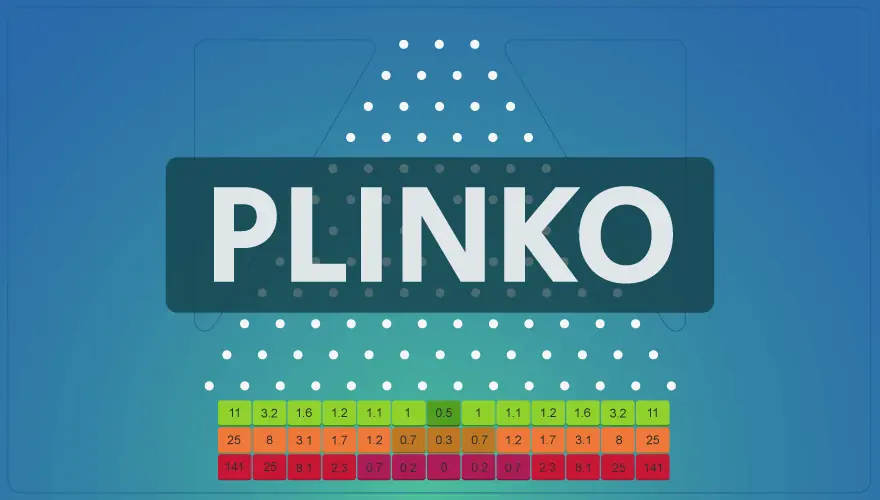
Plinko is a chance-based casino game built around a descending ball. The player places a stake, chooses settings and releases the ball from the top of a peg board. As it hits each peg, it deflects left or right until it lands in a slot at the bottom. Each slot carries a multiplier, and that multiplier determines the return on the stake.
The concept is easy to grasp within seconds, and that is one reason the format has become so visible. A player does not need to learn symbol values, side bets, card strategy or layered feature systems. The visual logic is immediate. Drop the ball, watch the path, get the result.
But the real reason Plinko stands out is not simplicity alone. It is the combination of transparency and suspense. In a slot, the result is revealed almost instantly once the reels stop. In Plinko, the result unfolds in front of the player. That short journey creates a distinct kind of tension. Even though the outcome is random, the eye keeps searching for patterns in the bounces. This is one of the most memorable aspects of the format: it feels readable, even when it is not predictable.
I have seen many players assume that because they can watch the ball move, they have a better sense of what is happening than they do in a slot. That feeling is understandable, but it should be treated carefully. The visible path creates emotional involvement, not control. This difference matters a lot once real money is on the line.
How the Plinko system works in practice
The core structure of Plinko is built around a few adjustable elements. Most versions, including the style commonly associated with Free spin casino Plinko, allow the player to choose stake size, number of rows and a risk mode. Those settings shape the distribution of outcomes more than many beginners expect.
The basic logic is straightforward:
The player selects a bet amount.
The player chooses a risk level, often low, medium or high.
The player may also choose the number of rows on the board.
A ball is released from the top and bounces through the pegs.
The final bottom slot determines the payout multiplier.
That seems minimal, but each setting changes the character of the session. More rows usually mean a longer path and a wider multiplier distribution. Low-risk settings tend to cluster more returns around modest multipliers, while high-risk settings shift more value toward rare top-end results and more frequent low or zero-style outcomes. In simple terms, the board can be tuned to feel steadier or much more aggressive.
One useful way to understand Plinko is to think of it as a probability distribution made visible. The center slots are usually easier to hit than the extreme edges. That is why middle multipliers tend to appear more often, while the largest multipliers sit on the far ends and are much harder to reach. The board is not just decorative. It is a visual map of how uncommon the biggest returns really are.
Why risk settings change the entire session
If I had to identify the single most important thing a player should understand before launching Plinko, it would be this: the risk setting does not merely tweak the experience, it redefines it. Two sessions on the same board can feel like two different products depending on whether low or high risk is selected.
On low risk, the game tends to produce more modest outcomes. You may see more frequent returns close to the original stake, smaller multipliers and fewer dramatic swings. This does not make the game safe, but it usually creates a smoother bankroll curve. For players who want a longer session and less emotional whiplash, this mode is often the more sensible starting point.
On high risk, the picture changes sharply. The board may advertise much larger top multipliers, but the trade-off is obvious: long stretches of weak returns become more common. This is where Plinko can become deceptive for inexperienced players. The interface still looks clean and playful, yet the bankroll behaviour can become severe very quickly.
I often describe high-risk Plinko as a short-form volatility engine. It compresses the emotional arc of a volatile slot session into rapid individual drops. You do not wait for a bonus round to create a spike. The spike, if it comes, is built directly into the multiplier grid. That is exciting, but it also means the downswings are not hidden behind lengthy animation or feature buildup. They are immediate and repetitive.
Rows, ball path and the illusion of pattern
The row count deserves more attention than it usually gets. More rows mean more peg collisions, and more collisions mean a broader spread of possible landing points. On paper, that sounds like a purely technical setting. In reality, it changes how the session feels moment to moment.
With fewer rows, outcomes resolve faster and the board can feel more compact. With more rows, the drop lasts longer, the visual suspense increases and the edge multipliers can look more tempting. This is where many players start reading meaning into recent paths. If several balls drift left, the next one may seem “due” to go right. That is a classic trap. Table game fans will get more out of this review after reading Gates of Olympus slot review.
Plinko is especially good at creating the illusion that the player is watching a pattern emerge. The movement is visible, the board is symmetrical and the result arrives with a tiny delay. All three elements encourage the brain to invent narratives. In practical terms, this means a player can start chasing imagined trends even when each drop remains independent.
One of the sharpest observations I can offer here is that Plinko feels more explainable than it actually is. That is not a flaw in the design; it is part of why the format is engaging. But from a bankroll perspective, it is dangerous if the player mistakes visual drama for usable information.
What creates the appeal and how the tempo feels during real play
Plinko has a very different rhythm from most online casino products. It can be played manually, one drop at a time, or in a faster sequence if auto-play is available. Either way, the pace is one of the format’s strongest hooks.
The session loop is extremely short. Set the stake, release the ball, read the multiplier, repeat. There is almost no dead time. Unlike many slots, there are no long stretches of near-identical reel spins waiting for a feature trigger. Unlike Free Spin Casino roulette, there is no decision tree after the stake is placed. This creates a clean, repetitive cadence that some players find highly satisfying.
At Free spin casino, this kind of instant-repeat structure can suit players who dislike cluttered interfaces and want direct feedback from every round. The game does not ask for much interpretation. It asks for tolerance of randomness and awareness of pace.
That pace matters because it can distort a player’s sense of expenditure. A low individual stake can feel harmless, but dozens of drops can happen in a short period. Plinko is one of those formats where session speed should be monitored as carefully as stake size. The product is simple enough to feel casual, yet fast enough to burn through a budget faster than expected.
Probabilities, expected outcomes and what players should not assume
Plinko is often discussed in terms of big multipliers, but that is only half the story. The more useful question is how often those multipliers are realistically hit and what happens in the long stretches between them. This is where probability literacy becomes essential.
In most versions, the highest multipliers are attached to the least likely landing zones. That means the headline number can be impressive without being representative of the average session. A player who focuses only on the maximum possible return is not looking at the game correctly. The practical experience is shaped by the full payout distribution, not by the top figure alone.
It also helps to remember that a visible board does not mean a manually steerable outcome. The ball may appear to react naturally to each peg, but the player has no meaningful influence once the drop begins. The entertainment value comes from watching uncertainty unfold, not from mastering a physical skill.
For clarity, here is how the main variables usually affect the session:
| Setting | What it changes | Practical effect for the player |
|---|---|---|
| Stake size | Value of each drop | Directly affects bankroll pressure and loss speed |
| Risk level | Distribution of multipliers | Can make returns steadier or far more swing-heavy |
| Number of rows | Board depth and payout spread | Influences suspense, variance feel and multiplier range |
| Session speed | How quickly drops are repeated | Often determines whether the game feels controlled or reckless |
For New Zealand players in particular, the practical lesson is simple: treat Plinko as a high-clarity chance game, not as a system to decode. If there is a demo mode, it is useful not because it reveals a secret pattern, but because it shows how quickly a chosen setup can reshape a session.
How Plinko differs from slots and other casino formats
The easiest comparison is with classic slots, but Plinko differs from them in several important ways. In a slot, the player interacts with reels, symbols, paylines and often layered bonus features. The excitement is usually built around combinations, feature triggers and occasional rounds that temporarily alter the base game. In Plinko, all of that complexity is removed. The entire experience is concentrated into one visible descent and one multiplier outcome.
This changes both perception and expectation. Slots often create long periods of routine play interrupted by larger events. Plinko does not really work like that. Every drop is the whole event. There is no need to wait for a feature round because the full tension is already present in the path of the ball and the multiplier map below it.
Compared with roulette, Plinko feels more animated and less binary. Compared with current Free Spin Casino blackjack information for online casino players, it removes strategy almost entirely. Compared with crash games, it offers a more visual and less decision-driven form of suspense. That makes it a useful middle ground for players who want something faster than slots but less cognitively demanding than card games.
The table below highlights the practical differences:
| Format | Main player input | Session feel | What stands out |
|---|---|---|---|
| Plinko | Stake, risk mode, rows | Fast, visual, repetitive | Visible randomness and immediate multiplier logic |
| Classic slots | Stake and optional settings | Cyclical, feature-driven | Bonus rounds and symbol combinations shape the session |
| Roulette | Bet selection | Direct, table-based | Clear odds structure but less visual progression |
| Blackjack | Decision-making during the hand | Strategic, slower | Skill element matters more than in Plinko |
One memorable distinction is this: slots hide their math behind theme and features, while Plinko places its uncertainty on stage. That honesty is part of its appeal.
How risky Plinko really is and who it suits best
Plinko can be mild or severe depending on configuration, but it should never be mistaken for a low-consequence format just because it looks minimal. The combination of fast repetition and adjustable multiplier spread means the game can become highly punishing if the player chases extreme returns with an aggressive setup.
In my view, Plinko suits players who enjoy short decision loops, visible outcomes and direct control over session style. It can work well for someone who wants to choose between steadier and sharper variance without learning a complex rule set. It is also a good fit for players who find traditional slots too padded with animations and side features.
It may not suit players who need narrative progression, bonus rounds or a stronger sense of strategic participation. If someone plays mainly for themed entertainment, character design or multi-stage features, Plinko can feel too bare after the initial novelty wears off. Likewise, players who are prone to chasing losses may find the speed of repeated drops unhelpful.
Here are the clearest suitability signals:
Plinko may suit you if you prefer simple interfaces, quick rounds and a format where the entire result is easy to understand at a glance.
It may also suit you if you want to adjust session intensity through risk levels rather than through complicated betting structures.
It may not suit you if you expect strategic depth, long-form feature progression or slow-paced decision-making.
It may also be a poor fit if you tend to read patterns into random events and then raise stakes based on that feeling.
Strengths and weak points that matter in actual play
Plinko has several genuine strengths, but they are strongest when understood analytically rather than romantically. First, the game is accessible. A new player can understand the objective almost immediately. Second, the format is transparent in presentation. You can see the path, the bottom multipliers and the effect of changing settings. Third, the session style is flexible. By adjusting risk and rows, the player can create a calmer or harsher experience without switching to another product.
That said, the same qualities can expose its limitations. The simplicity that makes Plinko approachable can also make it repetitive. There is less variety than in a feature-rich slot, and there is no strategic layer to keep decision-oriented players engaged. The visible drop is exciting, but after enough rounds the emotional pattern can become familiar unless the player genuinely enjoys the core loop.
Another practical concern is psychological pacing. Because each result is easy to process, it is tempting to keep dropping the ball without pause. This is not a moral issue; it is a design reality. Plinko removes friction. That is good for usability, but it can be bad for discipline if the player enters the session without a clear limit.
In short, the strengths are real: clarity, speed, configurability and immediate suspense. The weak points are just as real: repetition, low strategic depth and the potential for quick bankroll swings.
What to check before starting a session at Free spin casino
Before playing Plinko at Free spin casino, I would focus on a few practical checks rather than broad casino talking points. The first is the available risk configuration. If the page offers multiple risk modes and row settings, take a minute to understand how drastically they can change the payout profile. Do not treat them as cosmetic toggles.
The second is your session budget relative to game speed. In Plinko, a small stake is not automatically a small session. The total exposure depends on how many drops you make and how quickly you make them. A player who plans to test the format casually should decide in advance whether the goal is entertainment time, low-intensity experimentation or a deliberate attempt to chase larger multipliers.
The third is whether a demo version is available. On a page like Free spin casino Plinko, demo play can be genuinely useful. Not because it predicts future results, but because it reveals the emotional reality of each setup. Low risk may feel flatter than expected. High risk may feel harsher than expected. It is better to learn that without financial pressure.
I would also suggest watching your own reaction to near-misses. In Plinko, edge multipliers are visible throughout the drop. When the ball lands close to one of them, some players feel encouraged to try again immediately. That response is understandable, but it should be recognised for what it is: a reaction to presentation, not evidence that a better result is getting closer.
Final verdict on Free spin casino Plinko
Free spin casino Plinko offers a very specific kind of casino experience. It is not trying to replace slots, table games or top Free Spin Casino live casino games products. What it offers instead is a stripped-back, fast-moving format built around visible randomness, adjustable intensity and immediate results. That is the core of its appeal.
Its strongest points are clear. The rules are easy to grasp, the interface logic is transparent and the risk settings can materially change the feel of a session. For players who want direct action without feature clutter, Plinko can be genuinely engaging. It also has an honesty that many games lack: the tension is right there on the board, with no need for decorative distraction.
Still, caution is necessary. The simplicity of the format should not be confused with softness. Depending on the setup, Plinko can become highly swing-heavy, and its speed can make spending feel lighter than it is. The biggest mistake a player can make is assuming that a visible ball path means a readable system. It does not.
My overall view is that Plinko at Free spin casino is worth trying for players who like concise, visual and configurable gameplay. It is less suitable for those who want strategic control, long-form bonus structure or a slower rhythm. If approached with realistic expectations, sensible stake management and a clear understanding of how risk levels shape results, Plinko can be one of the more interesting modern casino formats. If approached casually and misunderstood as “simple equals safe,” it can disappoint just as quickly as it entertains.
That, in the end, is the real story of Freespin casino Plinko: a very simple-looking game with a much sharper practical edge than its clean design first suggests.
FAQ
How does Plinko work when a ball drops in the game?
The ball drops through the board and bounces off the pegs. It finally lands in a marked payout zone that maps to a multiplier, updating the result immediately after the ball settles.
What multipliers and risk level are shown in the Plinko game interface?
The interface displays the potential payout zones and their multipliers. Higher multipliers are typically tied to narrower landing areas, which increases volatility during real-money play.
Can a Plinko session be resumed if the browser refreshes or the tab closes?
A new ball round typically starts fresh after a refresh. If a session was interrupted before results finalize, restarting the game may be required. Checking the session status on the game panel helps confirm whether the previous round completed.
What’s the best way to choose between Plinko demo mode and real-money play for newcomers?
Start with demo mode to understand how quickly results appear and how multipliers are distributed across zones. Once comfortable with the pace, switch to real-money play using a smaller stake and a short session plan. This reduces the chance of misjudging volatility while learning the game mechanics.
If a casino login error happens before opening Plinko, what should be checked?
Verify the login credentials and ensure the account is fully signed in before launching the game. Reopen the Plinko lobby after successful sign in so the correct balance and mode load. If the issue persists, use password recovery and contact support with the error code shown on screen.